


Fashion health is a Japanese term for a store-based adult-service business that provides sexual services involving physical contact in private rooms. Customers visit the shop rather than arranging for a companion to come to a hotel. Despite the English words in the name, it is not related to healthcare, fitness, or fashion.
The clearest way to understand the difference is by location. With fashion health, the customer goes to the shop. With delivery health, commonly called deriheru, a companion travels to a hotel or residence accepted by the business. Soapland is another store-based category, but it is legally defined around bathhouse facilities. These differences affect the booking process, the visit itself, and the price you need to confirm.
Why “health” does not mean healthcare
In this context, fashion health is an industry term rather than a literal description. Japanese speakers may shorten it to “health” or pronounce it as fasshon herusu. If you search the words as ordinary English, the name gives little indication of what the business actually provides.
The practical definition is more important than the disputed history of the name. Using Tokyo’s official business classification as an example, store-based fashion health falls within a category of adult businesses that provide services in private rooms. This tells you two useful things: it is an adult-service venue, and the service takes place at the shop rather than through dispatch.
You may also see “box health” used as a related listing term, but it is not necessarily an exact synonym. Terminology used by shops and directories can vary, and translations are not always consistent. Do not rely on a single English label to determine what a listing offers. Check whether the business has a physical reception and what the shop itself says is included.
Is fashion health a wellness or massage service?
No. In Japanese nightlife vocabulary, it refers to a store-based adult business. The word “health” should not be read in its normal medical or fitness sense.

Soapland, Pink Salons, Deriheru, and Kyabakura: A Guide to Japan’s Adult Nightlife | Club Focus
Soapland, pink salons, deriheru, and kyabakura are distinct types of adult nightlife businesses in Japan. Soapland, pink salons, and deriheru are associated wit...
The defining feature: you go to the shop
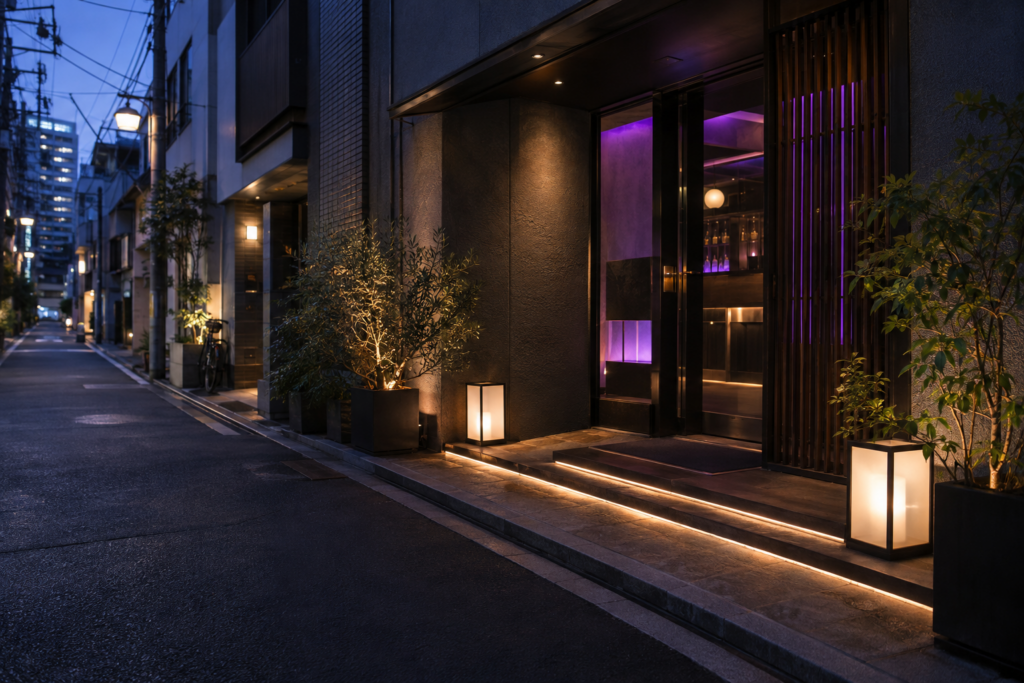
The key feature is simple: the customer goes to the venue. A fashion-health shop has a reception area and private rooms where the service takes place. You are not arranging for someone to travel to your hotel room.
That distinction matters even when two websites use similar words, show time-based courses, or let customers choose from profiles. A website can be part of either business model. The question is where the meeting occurs after the booking or inquiry is complete.
- Customer movement: You go to the shop.
- Meeting place: A private room on the premises.
- First contact: Shop reception or an advance inquiry.
- Official category: Store-based adult-service business.
“Store-based” is also a regulatory category, not simply a casual way to say that a company has an office. Under Japan’s adult-business framework, store-based fashion health and dispatch-style fashion health are treated as separate categories. A deriheru business may have an office, a phone line, and a website, but its defining service still involves dispatching a companion to a customer’s residence or lodging.
This article explains the category rather than judging an individual business. A category can be regulated without every listing, claim, or act being automatically lawful. If legality is important to a decision, look for the business information required in the relevant area and avoid treating vague marketing language as proof.
What to remember: the category tells you where the visit is arranged; the shop’s current rules tell you the price, payment conditions, and admission details.
What a typical visit looks like
A fashion-health visit usually takes place entirely at the shop rather than involving hotel coordination. The exact order varies, but public shop guides commonly show the same basic steps: confirm the shop and course, check in at reception, confirm the price, enter the assigned room, and leave when the booked time ends.
- Check the shop before traveling. Read the current opening hours, reservation policy, course list, payment methods, age requirements, language support, and customer rules. A listing in English does not by itself mean the reception can handle an English conversation.
- Reserve in advance or ask about availability. Some shops accept walk-ins, while others recommend or require advance contact. If reservations are available, the shop may ask for your arrival time, preferred course length, and whether you want to request a specific companion.
- Arrive at the shop and check in at reception. The shop confirms what is available and whether you meet its conditions. This is also the time to confirm the total price before agreeing to proceed.
- Confirm the course and any additional charges. Check the booked duration, any fee for requesting a specific companion, membership or entrance charges, and any other listed extras. Do not rely on a directory price if the shop’s current official website shows different information.
- Follow the shop’s payment process and guidance. Timing and payment order differ by business. The shop’s stated process determines when payment is due.
- Use the assigned room, then leave through the shop. When the booked time is over, the customer leaves the venue.
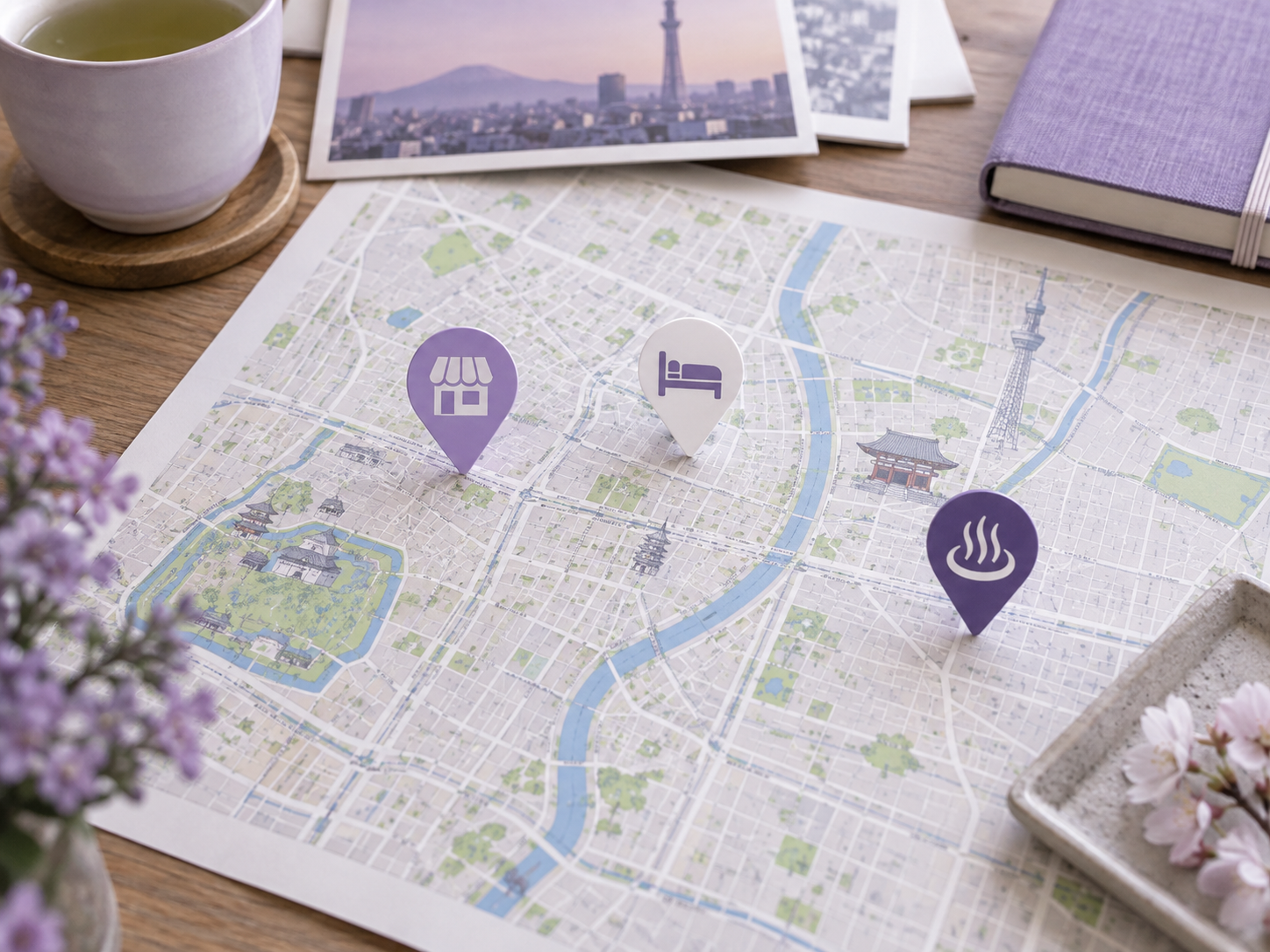
A map pin alone may not identify the actual reception point. Some directory pages list advertisements, reception offices, and service venues together. Before heading to the shop, compare the address on its current official website with its instructions for visiting. If the instructions tell you to call from a station, meet at another location, or wait for a location to be assigned, confirm exactly what that means. You should know whether you are going directly to the premises and where the official reception point is.
Language support should be checked at the same stage. An automatically translated website can help you understand basic information, but it does not guarantee that reception staff can explain prices, conditions, and boundaries in a language you understand. A shop may accept international customers only when certain communication requirements can be met. These are individual shop policies, not part of the definition of fashion health itself.
Can I simply walk into any fashion-health shop?
Not necessarily. Walk-in, reservation, language, age, identification, and admission policies differ. Check the shop’s current official information before traveling.
How to read the price
Fashion-health pricing is easier to understand when you separate the base course price from additional charges. A large price shown next to “60 minutes,” for example, may represent only the course itself. The final total may also include a fee for requesting a specific companion, an entrance or membership fee, an extension fee, or other clearly listed charges.

| Item | What to check | Why it matters |
|---|---|---|
| Time course | The number of minutes and what the shop says the course covers | This is usually the base of the total |
| Companion request | Whether requesting a specific companion adds an additional fee. | Choosing a specific companion may increase the total price. |
| Entrance or membership fee | Whether a separate entrance or membership fee applies to first-time or repeat customers. | The fee may not be included in the advertised course price. |
| Extensions or options | Whether they are available, how they are priced, and when they must be requested | Do not assume an unlisted addition is available |
| Payment method | Accepted payment methods, card surcharges, and any conditions for using foreign-issued cards. | Acceptance and fees can change the amount due |
Unusually vague or unofficial offers should be treated with caution. If a service or charge is not listed in the shop’s official terms, do not treat a forum post, coded phrase, or third-party directory as a promise. This affects both pricing and boundaries: you should know what you are agreeing to before the visit begins.
Discounts require the same careful attention. A web discount may apply only during certain hours, on a first visit, after showing a specific page, or when no specific companion is requested. A longer course is not automatically better value if the conditions change the final price. Choose the course you want, add all applicable published charges, apply only discounts whose conditions you meet, and confirm the final total with the shop.
Does the course price always equal the final amount?
No. Some shops list companion-request, entrance, membership, extension, or payment-related fees separately. Ask for the complete total before paying.
Fashion health, deriheru, and soapland are not the same format
These three terms often appear together in guides to Japan’s adult nightlife, but they describe different operating formats. Comparing where the service takes place is more reliable than relying on translated marketing terms.
| Format | Where the meeting happens | What organizes the visit |
|---|---|---|
| Fashion health | A private room inside the shop | On-site reception, a time course, and the shop’s premises |
| Deriheru | A residence, hotel, or other location accepted by the shop. | Advance booking, dispatch, travel, and location coordination |
| Soapland | A private room in a bathhouse facility | A separate store-based category defined around bathhouse facilities. |
The legal terminology is technical, but the practical difference for visitors is straightforward. With fashion health, the customer goes to the premises, so there is no dispatch to another location. With deriheru, the companion travels to a hotel, residence, or other location accepted by the shop. Soapland is also visited in person, but it belongs to a separate store-based category defined around bathhouse facilities.
These categories do not define every detail of a particular visit. They do not guarantee admission, language support, pricing, payment methods, or a specific set of services. Think of the category as the general framework; the shop’s current rules determine the details.
What is the simplest difference between fashion health and deriheru?
With fashion health, you go to the shop. With deriheru, a companion travels to a hotel, residence, or other location accepted by the shop after the booking is arranged in advance.
What to confirm before treating a listing as usable
Once you know the category, the remaining questions are shop-specific. A clear listing should let you verify the practical conditions without guessing from photos or translated labels.
- Exact location: confirm that the address is the reception and service location, not only an office or meeting point.
- Reservation policy: check whether walk-ins are accepted and what the rules are for late arrivals, changes, and cancellations.
- Total price: add the course price, any companion-request fee, entrance or membership fees, and any selected extras.
- Payment: verify the accepted payment methods and any card-related fees or conditions before arrival.
- Language: confirm which languages reception staff can use to explain the rules, prices, and boundaries clearly.
- Admission rules: check age requirements, identification requirements, sobriety, hygiene, and any other house rules.
- Boundaries: use the shop’s official description and rules, not rumors or unofficial coded claims.
“Fashion health” refers to a store-based format, not a standard package shared by every venue. Its location-based format distinguishes it from an outcall service, while each shop’s own terms determine the details.
About Club Focus Shibuya
Club Focus Shibuya is a Shibuya-based outcall service. Its format is delivery health rather than store-based fashion health: bookings are arranged in advance, and a companion travels to a hotel, residence, or other location accepted by the business. The key distinction explained in this article is where the service takes place.
Business categories, prices, admission policies, payment methods, and services can change. This article explains general distinctions and does not confirm the legality, availability, or terms of any individual venue. Check the venue’s current official information before making a decision.


