


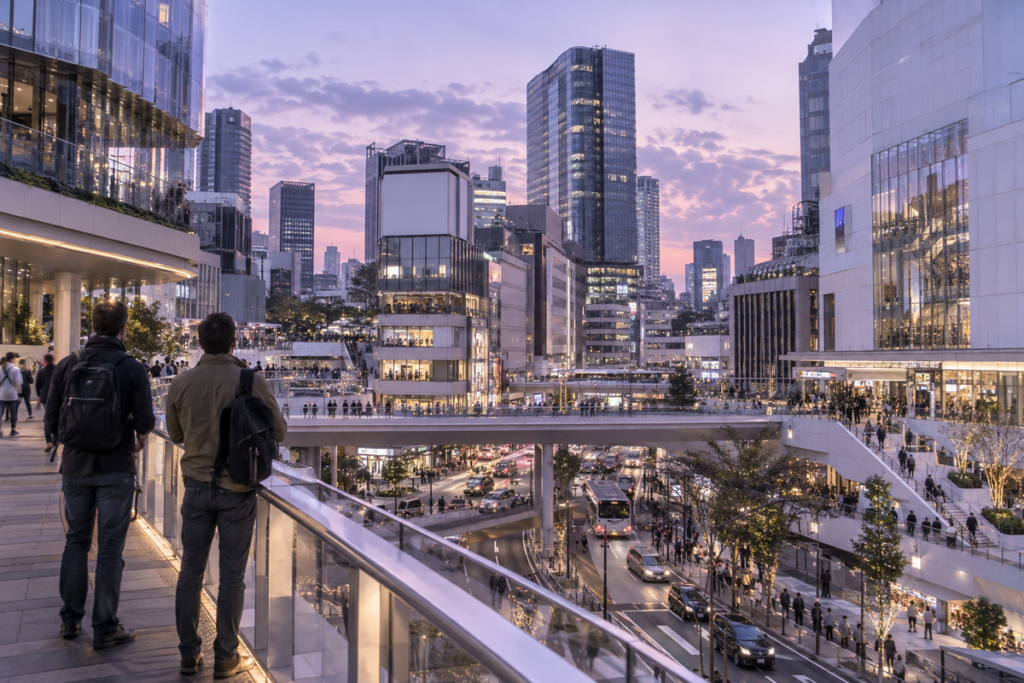
Shibuya became a center of Japan’s youth culture because a busy railway hub developed into a place where fashion, music, and new ideas could meet. Shops, cultural venues, and media helped turn that gathering place into a source of trends.
That history is still visible beyond the famous crossing, in fashion buildings, record shops, live venues, and streets that come alive after dark. Understanding how these places developed together gives a fuller picture of Shibuya than its familiar image as simply a district for young people.
The crowd starts with the station
Shibuya’s railway connections gave people a reason to gather here before it became famous for youth culture. The crossing sits at the meeting point of that transport network and the surrounding commercial streets.
Shibuya Station opened in 1885. Later rail connections included the Toyoko Line in 1927 and the line now known as the Keio Inokashira Line in 1933. The Toyoko Department Store opened in 1934. Transportation and shopping developed side by side, helping turn the station area into a destination in its own right.
The scramble crossing makes that relationship visible: people arriving by train spread into the commercial streets. Its fame can make it feel like the whole Shibuya experience, but it is the entrance to a district with several different cultural settings.
Center-Gai, the commercial area beyond the crossing, includes fashion shops and music-related businesses. Jinnan has a different concentration of clothing stores, while Udagawacho and Maruyamacho add record shops, live venues, and clubs to the mix. These areas are all near Shibuya Station, but they represent only part of the much larger Shibuya City.
The difference between a transport hub and a cultural destination lies in what people find after they arrive. Shibuya’s later development added places to shop for fashion, watch performances, and discover recorded music. The railway network explains how large audiences could reach the district; its fashion and music history explains what drew them there.
One part of Shibuya’s night-time landscape is the hotel district around Dogenzaka and Maruyamacho. Our separate guide explains that area in more detail.
Shibuya’s “Love Hotel Hill”: A Guide to Dogenzaka and Maruyamacho | Club Focus
Love Hotel Hill is an informal English name for the cluster of love hotels around Dogenzaka and Maruyamacho in Shibuya. It is not an official place name, a sing...
Fashion became something the city could show
Shibuya’s fashion reputation grew through places that combined shopping with a wider cultural life. Clothing was part of a setting that also included theatre, advertising, magazines, and creative work.
Two familiar names mark an important stage in that development: Shibuya PARCO opened in 1973, and the building now known as SHIBUYA109 opened in 1979. They belong to the period when Shibuya’s commercial district was becoming strongly associated with young consumers and changing tastes.
PARCO’s history shows how closely shopping and culture overlapped. Seibu Theatre, now PARCO Theatre, opened in May 1973, followed by Shibuya PARCO in June. PARCO also used distinctive visual advertising and launched the culture magazine Bikkuri House in 1974. Fashion retail, theater, publishing, and advertising were therefore all part of the broader cultural activity surrounding the brand.
SHIBUYA109 developed a different, recognizable fashion identity. Its cylindrical building was designed as a symbol for the district. The company’s history describes how it changed its mix of shops during the 1990s and became associated with gyaru culture, a Japanese fashion subculture. Popular shop assistants became known as “charismatic shop assistants”: their influence was part of the building’s story, alongside the brands on its floors.
That is a more specific reason to remember 109 than its opening date alone. Fashion influence could come from a person working in a shop, as well as from a designer or a magazine. The building offered a physical place where that influence and the clothes associated with it came together.

PARCO and SHIBUYA109 show two different ways a commercial building can become a cultural reference point. Theater, visual campaigns, and publishing formed part of PARCO’s wider cultural activity, while SHIBUYA109 became associated with changing fashion brands and influential shop staff. Neither example means that shopping alone defines culture; both show how commercial spaces helped make cultural trends visible.
The current scene is also broader than a single look. Official Tokyo guides describe everything from major fashion complexes to select shops in Jinnan and smaller subculture boutiques. “Youth culture” is useful as a description of Shibuya’s reputation, but it does not mean that everyone wears the same clothes or shares the same interests.
Is Shibuya youth culture the same as Harajuku fashion?
They are connected parts of Tokyo’s cultural landscape, but they are not interchangeable. Harajuku is particularly associated with street fashion; the Shibuya Station area combines fashion with a wider mix of music, commercial venues, and nightlife.
Music gave the back streets another identity
Music helped make Shibuya a place where people could discover new tastes rather than simply follow existing ones. Record shops, live venues, and clubs gave the district a cultural life that extended beyond fashion and large commercial buildings.
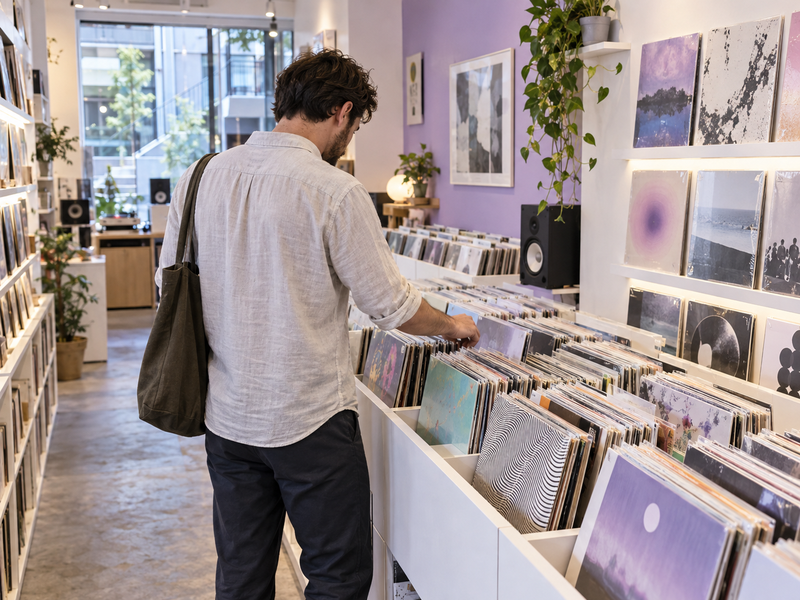
Udagawacho is important to this story. In a 2012 interview with the Shibuya Culture Project, the manager of Tower Records Shibuya recalled the many record shops once found in the area. He also described changes in that landscape, including shop closures. His account is a reminder that the record-shopping district remembered from the 1990s was not a permanent, unchanging scene.
That period is also associated with Shibuya-kei, a 1990s music movement. Flipper’s Guitar and Pizzicato Five are two names associated with it. The term covers varied sounds, rather than a single musical formula: Tower Records’ retrospective includes Flipper’s Guitar’s 1990 album Camera Talk and Cornelius’s 1997 album Fantasma among its examples.
Another part of this history involves music writer and DJ Toru Hashimoto and his free paper Suburbia Suite. Tower Records’ account describes it being distributed at record and CD shops and at performances by artists including Pizzicato Five and Original Love. Its selections introduced listeners to music across a wide range of styles, including jazz, soundtracks, and Brazilian music.
This makes the relationship between music and media more concrete. A free paper could introduce listeners to unfamiliar artists, a record shop could make the recordings available, and live performances could bring people with related interests together. Shibuya’s music culture was shaped not only by trends but also by the places and publications through which people discovered music.
Shibuya Club Quattro opened in 1988 in the Quattro building, which followed Shibuya PARCO Parts 1 through 3 as PARCO’s fourth Shibuya building. Its history includes artists such as Flipper’s Guitar, Pizzicato Five, and Original Love, linking the live-performance side of the district with names that also appear in its record-shop and music-media history.
Today, Tokyo’s official visitor information still identifies Udagawacho and Maruyamacho with record shopping, live music, and clubbing. The present is connected to the older scene, even though individual businesses and ways of listening have changed.
For visitors today, these connections provide specific reference points within Shibuya’s broader music history. Camera Talk, Fantasma, and the story of Suburbia Suite each reflect a period when discovering, buying, and sharing music played an important role in the area’s cultural identity. They are historical reference points, not a guide to what every Shibuya venue plays today.
Will Shibuya clubs all play Shibuya-kei?
No. Shibuya-kei refers to a particular music movement, not the whole district’s soundtrack. A club’s own event and artists define its music; electronic music and other scenes also have a place in Shibuya.
The towers are part of today’s Shibuya too
The large new buildings around the station belong to another stage of Shibuya’s development. They show a district that is still being reshaped around transport, business, and commercial activity.
Shibuya Stream opened in 2018, followed by the east tower of Shibuya Scramble Square in 2019. Shibuya Sakura Stage’s commercial opening followed in 2024. These projects have changed the station-area landscape, adding substantial new buildings to the smaller streets and established cultural places nearby.
Shibuya’s station-area redevelopment is still under way. Tokyu describes fiscal years 2030 through 2034 as the final phase of the project, with major station and pedestrian-network improvements scheduled to open in stages. The buildings already completed are therefore part of a longer redevelopment process rather than evidence that the work is finished.
The paths between buildings help explain the work as much as the towers do. Shibuya’s valley-shaped terrain, railway structures, and major roads have made movement through the area complicated. Tokyu’s development information describes pedestrian decks and connections between underground and above-ground levels as ways to link those separated parts.
So a deck or an escalator is part of the story you are seeing, too. It addresses the practical problem of moving through a district built on several levels. The redevelopment adds destinations, but it also changes how those destinations connect to the railway hub that brought people here in the first place.
Hikarie Deck is one example of new pedestrian infrastructure also being used as cultural space. The deck opened in 2021, and its wall-art project has displayed works by multiple artists. Tokyu describes the project as an effort to create space for individual expression within a public setting, linking the newer transport environment with Shibuya’s longer association with creative activity.
Seen together, the towers, pedestrian connections, and established cultural streets explain why today’s Shibuya does not look exactly like its 1990s image. The district now includes substantial business and visitor infrastructure as well as places associated with fashion and music. Its older reputation remains useful, but it is only one part of the present landscape.
After dark, the cultural scene changes setting
At night, Shibuya’s music and entertainment venues give its cultural life a different setting. Live performances and clubs are part of the same district that draws people for fashion and other creative activity during the day.
Club Quattro provides one link to Shibuya’s earlier live-music history. WOMB, which opened in Maruyamacho in 2000, represents another strand: electronic music. The venue spans multiple floors around a main dance floor and presents both internationally active artists and performers from Tokyo’s local scene.
These examples make the difference between day and night more tangible. By day, a fashion building or record shop presents things to look through. A performance or DJ event brings people together around something happening at a particular time. The focus shifts from browsing a collection to sharing an event.
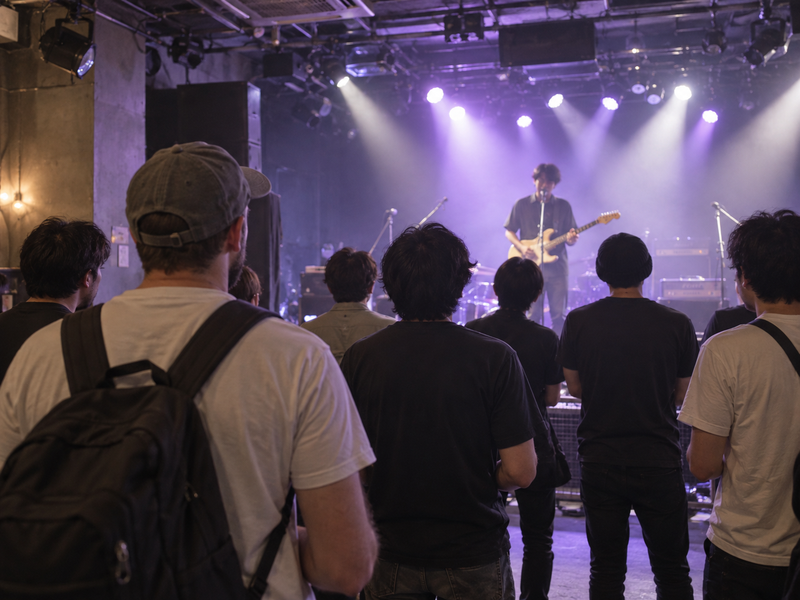
A DJ-led electronic music venue also shows why Shibuya’s night cannot be reduced to the older Shibuya-kei label. A neighborhood can hold several musical histories at once. Club Quattro’s connections with 1990s artists and WOMB’s electronic-music identity are different chapters, with different ways of bringing artists and audiences together.
For visitors, this cultural background helps answer a practical question: what kind of experience does the venue in front of you offer? A live-music venue centers on performance, while a club’s event schedule tells you more about its artists and sound. A busy street outside may show that the district is lively, but it cannot tell you what kind of experience is happening inside.
That is also where the city’s international connections become visible. They are not limited to influences on old recordings. Venues that present artists from Japan and overseas give those connections a setting in the current city. Shibuya’s reputation as a meeting place for culture continues through what people make and experience there.
Hotels and adult nightlife occupy nearby streets too, forming another part of the district’s evening landscape. The hotel area has its own history and uses, covered in the separate Dogenzaka and Maruyamacho guide. Here, the music venues explain how the cultural story continues after dark.
Is Shibuya’s nightlife only for young people?
No. Shibuya’s association with youth culture does not define who can enjoy its music and entertainment. The kind of venue and the experience you want matter more than the district’s age-based nickname.
About the publisher
Club Focus Shibuya is a Shibuya-based outcall service. All companions working with the service are adults aged 18 or older. This article looks at the cultural background of the district in which the business operates.
Information checked in October 2026. Redevelopment schedules may change.
Beyond the crossing, Shibuya’s fashion buildings, music venues, and changing station landscape reveal different layers of its cultural history, both during the day and after dark.