


A deriheru profile photo may show the person listed while also being professionally posed, cropped or retouched. A real photograph and an unedited photograph are not the same thing.
Deriheru, short for “delivery health,” is a Japanese term for an adult outcall service. Customers usually choose a companion from an online profile before the visit, so photography, editing, and privacy choices can strongly affect how that profile appears.
When a profile photo creates a noticeable difference between the published image and the person’s appearance in real life, the Japanese industry term is panemaji, short for “panel magic.”
Why profile photos matter
In the usual deriheru booking process, the customer selects a companion before the companion travels to the customer’s hotel or residence. The choice is generally based on the business’s published profiles rather than an in-person meeting.
A profile may contain age, height, availability and a short introduction, but the photograph provides most of the visual information. It is a promotional portrait rather than a photograph intended to document someone’s exact appearance.
This does not mean that every profile photo is heavily edited. It means that the image has been selected and presented for a particular purpose. Clothing, makeup, lighting, pose, angle and cropping can all affect how someone appears before digital editing begins.
Can you see the companion before choosing her at a deriheru?
Usually not. In the standard outcall booking process, the customer chooses from the profiles published by the business before the companion travels to the destination.
What Is “Deriheru”? A Guide to Japan’s Delivery Health Services | Club Focus
Deriheru is short for “delivery health,” a Japanese term for an adult outcall service. After a booking is confirmed, a companion travels to a customer’s residen...
How profile photos are taken
A polished profile can begin with a professional photo shoot. Industry-focused studios in Japan offer portrait sessions specifically for nightlife and adult-service profiles.
At the shoot, lighting can soften shadows, while posing and camera angles can affect how the face and body appear. Makeup, clothing and background also help create the finished presentation.
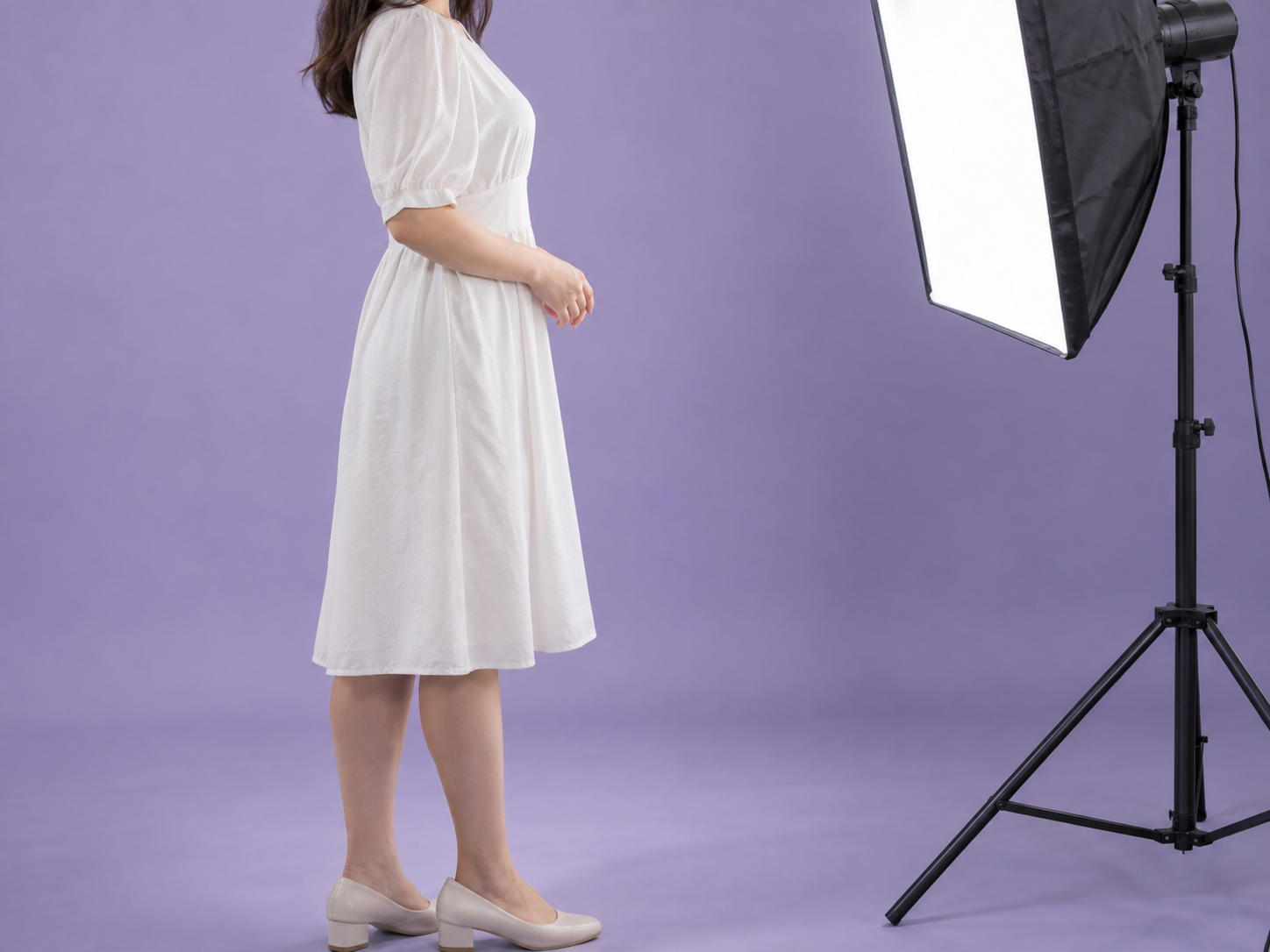
Professional photography and heavy editing are not the same thing. A carefully lit studio portrait may receive limited retouching, while a casual-looking photograph may have been edited substantially afterward. The visual style alone does not reveal the complete production process.
Are deriheru profile photos taken by professionals?
Some are. Professional studios in Japan offer photography and retouching for adult-service profiles, but practices differ between businesses and individual profiles.
What retouching can change
Retouching covers a wide range of changes. It may involve basic adjustments to brightness, color, and skin tone or texture, or more extensive alterations to facial features, body shape, tattoos, and scars.
For example, Studio AND separates skin-focused natural retouching from more extensive retouching involving facial features, tattoos, and body shape. FILMSEVEN similarly publishes different levels of retouching, from skin and hair adjustments to reshaping and changes to facial features.
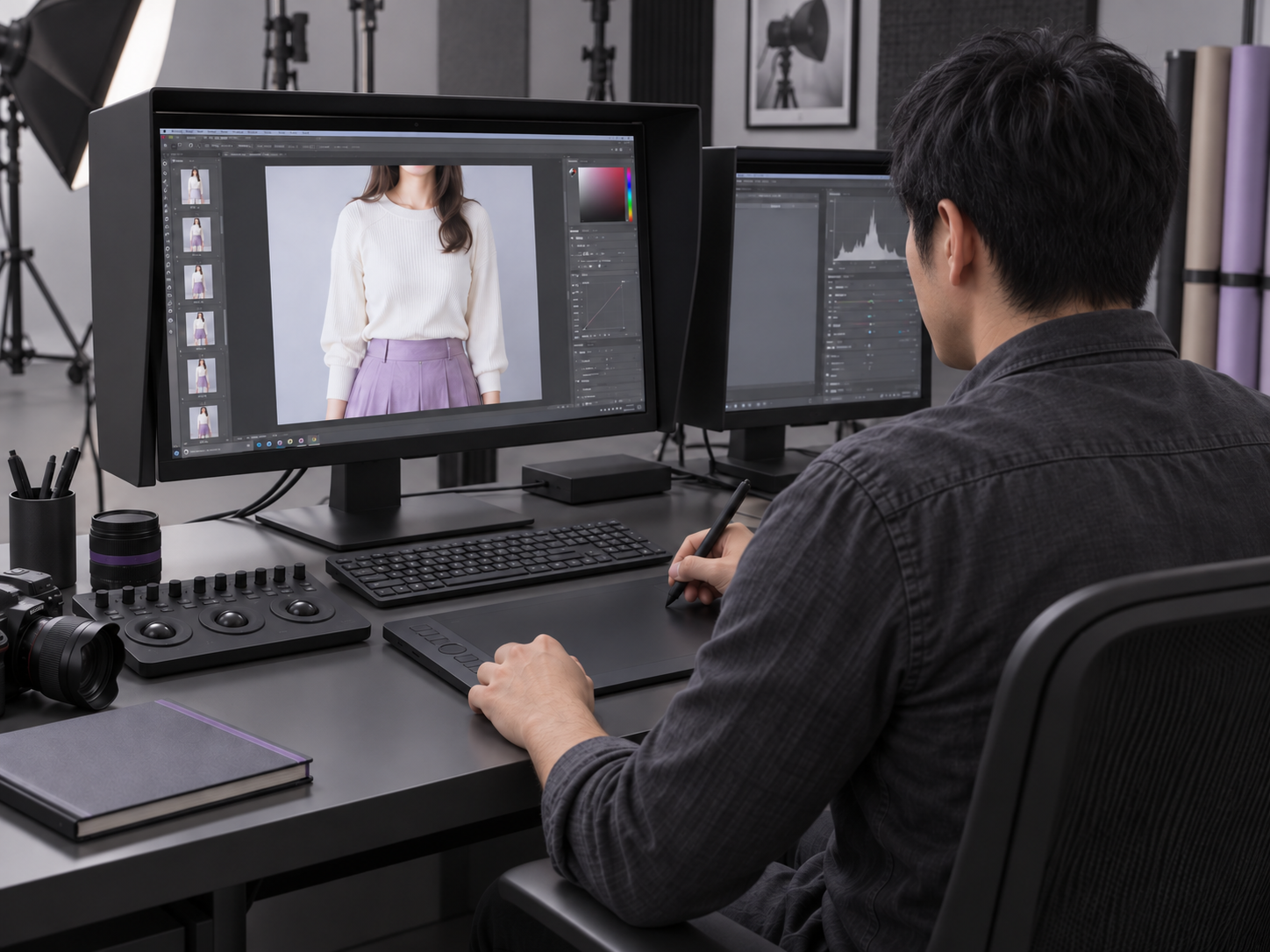
These published services show what can be done. They do not establish how every deriheru business edits its photographs or how often each technique is used.
A natural-looking image may still have received limited retouching. Conversely, professional lighting and posing can create a polished result without major digital alteration. The finished image alone does not show which steps were used.
Are deriheru profile photos edited?
Some are, but the extent varies. Editing may range from basic color and skin adjustments to changes involving facial features or body shape. A profile image alone does not reveal how much work was done.
Why some profiles hide the face
Some companions do not want their work profile to make them easily recognizable outside work. The Japanese term mibare refers to having one’s identity or personal information exposed.
A profile may address this concern by keeping the face out of frame, using a blur or mosaic, or photographing the person from an angle that reveals less identifying detail. Industry-focused editing services also advertise the removal or alteration of visible marks such as tattoos and scars.
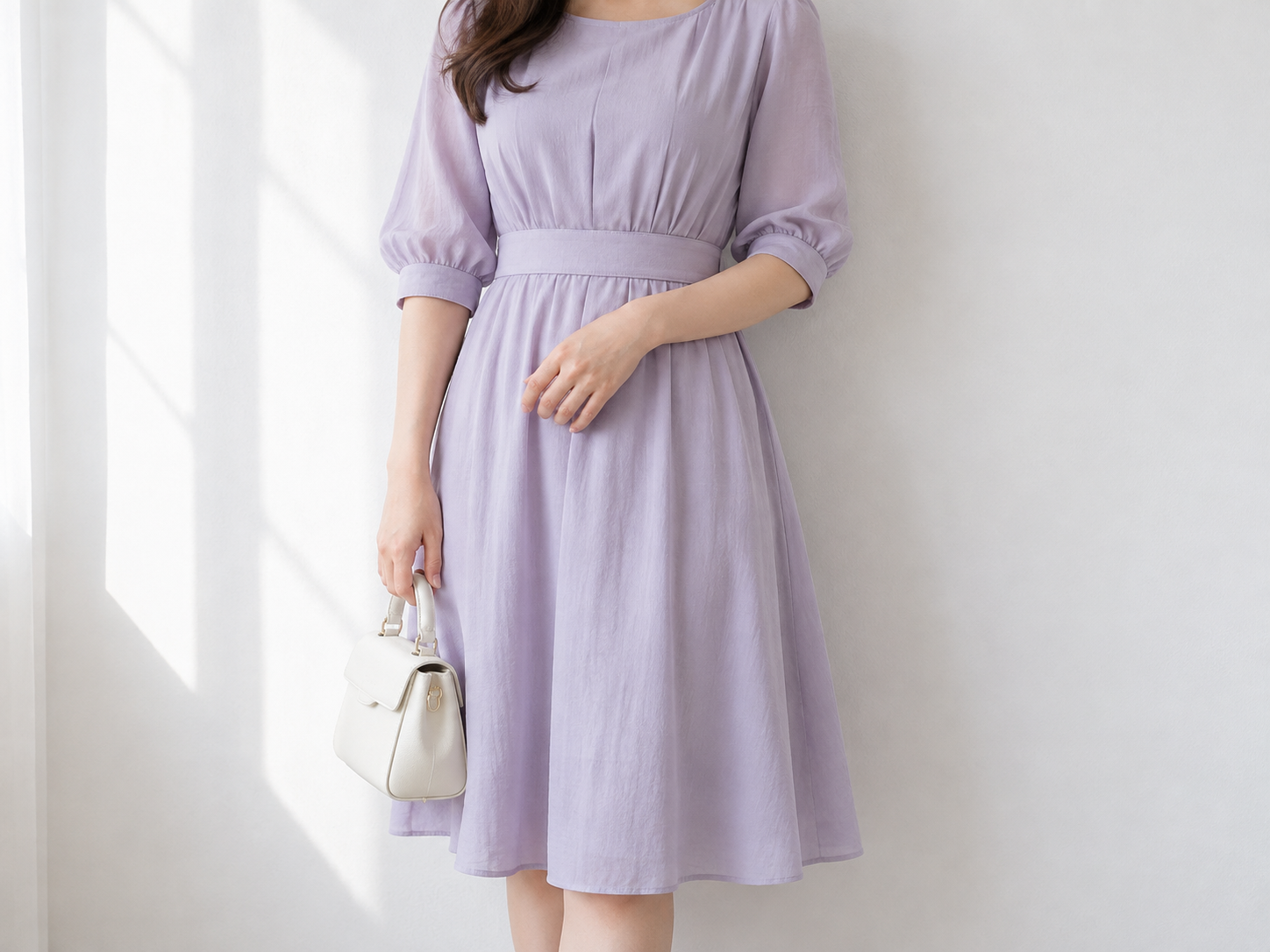
Privacy and appearance editing can overlap, but they are not the same thing. A hidden face does not prove that the rest of the photograph is unedited. A visible face does not prove that it has been changed substantially.
No single method guarantees anonymity. Clothing, tattoos, background details and other visible features can also contribute to recognition.
Why do some profiles hide the companion’s face?
Privacy is one common reason. Keeping the face out of frame or using a blur or mosaic can reduce the amount of identifying information shown in a public profile, although it cannot guarantee anonymity.
What “panel magic” means
Panemaji (パネマジ) is short for “panel magic.” In adult-industry terminology, a “panel” is a promotional profile photograph. The expression is generally used when the published photograph creates a noticeably different impression from the person’s appearance in real life.
It is not a technical category with a fixed threshold. People may use the term when they believe editing, posing, lighting, or an old photograph has created a noticeably different impression.
“The photo looks like a different person” is also different from claiming that the photograph actually shows someone else. A photograph can depict the listed person and still produce a very different impression after styling, shooting and editing. Using another person’s photograph would be a separate issue concerning the source of the image.
The expression is often critical and subjective. It describes the perceived gap between image and reality; it does not identify the exact editing method used.
What does panemaji mean?
Panemaji, short for “panel magic,” describes a large perceived difference between a promotional profile photo and how the person appears in real life. It is not the name of one specific editing technique.
What to check before booking
A profile photo is useful, but it should be viewed as a promotional portrait rather than an exact representation of someone’s appearance. Before choosing a companion, the following checks can give the image more context:
- Use the official profile: make sure the image comes from the business’s current website rather than an old screenshot or an unrelated directory.
- Look at more than one image: different poses and angles provide more context than a single photograph.
- Check the date where available: a recently updated profile is more informative than an image with no visible date, although the date alone does not prove how much editing was used.
- Notice what is hidden: cropping, blur and mosaics may be intentional privacy measures.
- Ask a specific question: if how recent the photos are or a visible profile detail matters to your choice, ask the booking staff what they can confirm.
- Keep photos and service terms separate: a photograph does not establish personality, compatibility, availability or what a booking includes.
So, are deriheru photos real? A profile may use a photograph of the listed person while also using professional photography and styling, privacy measures, or retouching. The image itself cannot prove who was photographed, how much was changed or why each change was made. Those are separate questions.
About the publisher
Club Focus Shibuya is a Shibuya-based adult outcall business. This article explains general profile-photo practices and terminology. Photography and editing choices can differ between businesses and individual profiles.
Industry terminology and published studio services were checked in September 2026. Individual photography, editing and privacy practices can differ and may change. The images in this article are illustrative and do not depict Club Focus Shibuya companions or document a particular business’s editing process.


